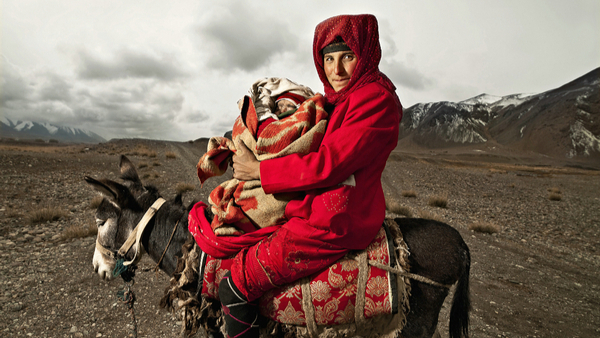
Tajik Ethnic Group
Introduction
The Tajik ethnic group in China is a culturally rich and historically significant community. Renowned for their vibrant traditions and unique cultural practices, the Tajik people have a long-standing heritage that contributes to their distinct identity. Their presence in China is most notably concentrated in areas such as the Tashikurgan Tajik autonomous county in Xinjiang Uygur autonomous region. As a community, the Tajik people are known for their resilience and adaptability, having maintained their cultural traditions through centuries of geographical and political changes.
History
Origins
Historically, the Tajik people are believed to be one of the oldest groups of Persian-speaking people, with their lineage tracing back to the ancient Persian Empire. This historical connection has allowed the Tajik people to maintain a strong cultural and linguistic heritage that is evident in their modern practices.
Ancient History
In ancient history, the region inhabited by the Tajik ethnic group was a crucial part of the Silk Road, serving as a crossroads for trade, culture, and ideas between the East and the West. Their strategic location along the Silk Road facilitated trade and cultural exchanges with numerous civilizations, resulting in a rich tapestry of cultural traditions and a deep-seated appreciation for arts and crafts.
Geography and Demographics
Distribution
Within China, the largest concentration of Tajik individuals resides in the Tashikurgan Tajik autonomous county in Xinjiang Uygur autonomous region. This region, located on the Pamir Plateau, is characterized by its high altitudes and rugged terrain. The unique geography of this area has influenced the Tajik way of life, necessitating adaptations to the harsh mountainous environment.
Population
The population of the Tajik ethnic group in China varies significantly across different regions. In Tashikurgan Tajik autonomous county, approximately 81 percent of the 41,000 residents are of Tajik descent, making it the only Tajik autonomous county in China. This demographic concentration has allowed the Tajik people to maintain and promote their cultural traditions within the broader multi-ethnic landscape of Xinjiang. The total global population of Tajiks is difficult to ascertain precisely due to the dispersion across national boundaries and the integration into various cultural contexts, but they form a significant group in each of the countries they inhabit.
Language
Dialects
The Tajik language comprises a variety of dialects that reflect the geographical distribution and historical interactions of the Tajik people. These dialects can vary significantly, with notable differences in pronunciation, vocabulary, and linguistic structure. Such diversity is a testament to the rich cultural exchanges that have occurred throughout the Tajik people's history. The dialects are an integral part of the Tajik cultural identity, serving as a marker of regional affiliation and heritage. The preservation of these dialects is crucial for maintaining the cultural continuity and linguistic diversity of the Tajik ethnic group.
Culture
Traditions and Customs
The cultural traditions of the Tajik ethnic group are deeply embedded in their daily lives and social practices. Traditional customs are passed down through generations, often celebrated through music, dance, and storytelling. The Tajik people have a rich oral heritage, with epic tales and legends that continue to be recited in communal gatherings. Hospitality is a significant component of Tajik culture, with the offering of food and tea being central to social interactions. These traditions reflect the Tajik people's connection to their historical roots and their adaptability to contemporary influences.
Festivals
Festivals hold a special place in the cultural life of the Tajik people, serving as occasions for communal celebration and cultural expression. Polo, a sport with historical significance, is celebrated with enthusiasm, and the Tajik ethnic group's tradition of polo has been recognized as a national-level intangible cultural heritage. These festivals are opportunities for the community to come together, reinforcing social bonds and cultural identity.
Clothing
Traditional Tajik clothing is characterized by its vibrant colors and intricate embroidery, reflecting the artistic heritage of the Tajik people. Clothing is often adorned with ornamental patterns and designs that hold cultural significance. Silver jewelry, such as necklaces, pendants, bracelets, and earrings, frequently complements traditional attire, adding a distinct aesthetic element. These garments are not only worn during festivals and special occasions but are also a means of cultural expression in everyday life. The maintenance of traditional clothing practices forms a crucial part of the Tajik ethnic identity.
Cuisine
Tajik cuisine is a reflection of the region's natural resources and cultural interactions over centuries. Staple foods include bread, pilaf, and a variety of meats, with yak meat being a notable feature. Traditional cooking methods and recipes have been preserved through generations, contributing to the unique flavors of Tajik food. The integration of local ingredients such as yak meat into popular dishes like hot pot demonstrates the Tajik people's ability to adapt and innovate while preserving their culinary heritage.
Economy
Traditional Economy
Historically, the Tajik people have relied on agriculture and animal husbandry as the primary sources of livelihood. The challenging terrain of the Pamir Plateau has necessitated the development of adaptive agricultural practices and the herding of livestock suited to high-altitude conditions. These traditional economic activities have shaped the social and cultural fabric of Tajik communities, fostering a cooperative and resilient lifestyle.
Modern Developments
In recent years, the Tajik economy has experienced significant changes, particularly with the rise of tourism and entrepreneurship. The scenic landscapes and cultural heritage of regions like Tashikurgan have attracted tourists, creating new opportunities for business and economic development. Local entrepreneurs, such as Dildar Yakup, have successfully capitalized on these opportunities by establishing restaurants and cafes that offer traditional Tajik food experiences. The development of infrastructure, such as the construction of Tashikurgan Airport, is expected to further boost the tourism industry and contribute to the region's economic growth.
Cultural Preservation and Challenges
The preservation of Tajik culture faces several challenges, particularly in the context of globalization and modernity. Efforts to maintain cultural traditions and practices are supported by individuals and organizations dedicated to promoting Tajik heritage. Balancing cultural preservation with economic development and modernization remains a complex challenge. Ensuring that cultural practices are sustained for future generations requires ongoing commitment from both local communities and external stakeholders.








